
Physical Therapy Treatment for Spondylolisthesis Pain
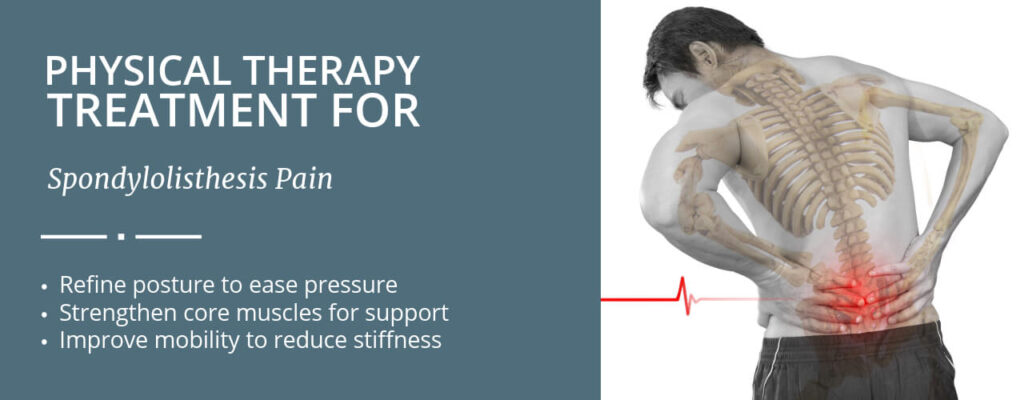
Spondylolisthesis is a condition where one vertebra slips forward over the one below it, most often in the lower back. This displacement can irritate nearby nerves, tighten surrounding muscles, and lead to a range of symptoms that interfere with daily life. For many people living with this condition, spondylolisthesis pain treatment through physical therapy offers a practical, non-invasive path to relief.
At Integrity Rehab & Home Health, we help patients manage spondylolisthesis symptoms by targeting the underlying mechanical issues, reducing pain, and strengthening the body for long-term stability. Understanding what spondylolisthesis is and how it can be treated without surgery is the first step toward recovery.
The Problem: How Spondylolisthesis Affects Daily Function
Spondylolisthesis can develop from a stress fracture, degenerative changes, or congenital factors. In more advanced cases, it can limit mobility or compress spinal nerves, causing radiating pain into the legs. Most patients experience:
- Low back pain that worsens with activity, especially bending or lifting
- Stiffness or tightness in the hamstrings and lower back
- Numbness or tingling in the buttocks or legs
- Muscle fatigue in the lower back
- Difficulty standing for long periods or walking long distances
Pain levels can vary. Some people have minor discomfort with certain movements, while others may struggle with ongoing pain that disrupts work, exercise, and sleep.
Common Misconceptions About Spondylolisthesis Pain
There are several myths that can delay or prevent people from seeking proper spondylolisthesis pain treatment:
Myth: “Surgery is the only option.”
- Fact: Many cases respond well to conservative care. Surgery is typically only considered when pain is severe and other treatments fail.
Myth: “Resting will fix it.”
- Fact: While short-term rest can help with flare-ups, prolonged inactivity may weaken the muscles that support the spine and lead to worsening symptoms.
Myth: “I should avoid all exercise.”
- Fact: Targeted movement guided by a physical therapist is essential for improving mobility and supporting spinal alignment.
These misconceptions can lead to unnecessary fear and inactivity. With the right approach, spondylolisthesis can be managed effectively and safely.
How Physical Therapy Provides Effective Spondylolisthesis Pain Treatment
A key part of successful spondylolisthesis pain treatment is building strength and stability around the spine. At Integrity Rehab & Home Health, we create custom therapy plans to reduce pain, improve movement, and prevent future flare-ups. Treatment plans may include:
1. Postural Education and Core Training
Improving alignment during sitting, standing, and movement helps relieve pressure on the spine. Therapists guide patients through safe techniques that reduce strain and protect the lower back.
2. Targeted Strengthening
Strengthening the abdominal muscles, glutes, and lower back supports the spine and helps redistribute forces during movement. A strong core helps reduce the need for compensation from irritated joints or tight muscles.
3. Manual Therapy
Hands-on techniques such as soft tissue mobilization and joint stretching can reduce muscle tension and improve mobility, making it easier to move with less pain.
4. Neural Mobility and Nerve Decompression Techniques
If nerve symptoms are present, therapists provide strategies to reduce pressure on nerves, promote healing, and improve sensation and motor control.
5. Education for Daily Movement
Learning how to lift, twist, or transition between positions safely helps patients avoid movements that can aggravate symptoms. These strategies are especially helpful for those with physically demanding jobs or active lifestyles.
Home and Lifestyle Tips for Managing Spondylolisthesis
Alongside physical therapy, small changes in daily habits can improve comfort and reduce flare-ups:
- Avoid prolonged sitting or slouched postures. Use a chair with lumbar support and take breaks to stand and stretch.
- Use proper lifting mechanics. Bend at the knees and keep the object close to your body to protect your lower spine.
- Stay active (but within your limits). Walking and low-impact aerobic exercise can support healing without overloading the spine.
- Strengthen regularly. Follow your home program consistently to maintain stability and reduce the risk of regression.
- Manage stress and tension. Chronic stress can lead to muscle tightness and worsened symptoms, so techniques like deep breathing or gentle Yoga may be helpful.
The Goal: Restoring Confidence and Comfort
The right spondylolisthesis pain treatment plan does more than reduce pain; it helps patients feel more in control of their movement and daily routines. With physical therapy at Integrity Rehab & Home Health, patients develop the tools and knowledge they need to reduce symptoms and build long-term resilience.
Whether you’ve just received a diagnosis or have been struggling with spondylolisthesis for years, we can help.
Contact Integrity Rehab & Home Health today to schedule an evaluation and start your customized plan for recovery!