

Pelvic Floor Therapy: An Effective Treatment for All Manner of Pelvic Pain
Your perineum is a small area between your anus and scrotum (in men) or vulva (in women). You probably don’t think about it often–but it’s an integral part of your pelvic floor, the band of muscles supporting your genitals, bladder, and bowels.
It serves as an attachment point for several muscles and two nerve branches–which means that, for such a small space, there are many opportunities for you to develop some sort of impairment that can cause pain not only in the perineum itself but throughout your pelvic area.
At Integrity Rehab, we know pelvic pain can be difficult to talk about–but we also know you want fast, effective treatments to resolve your symptoms and get back to day-to-day life. Often, we can trace pelvic pain to the perineum–and that’s the first step to finding relief.
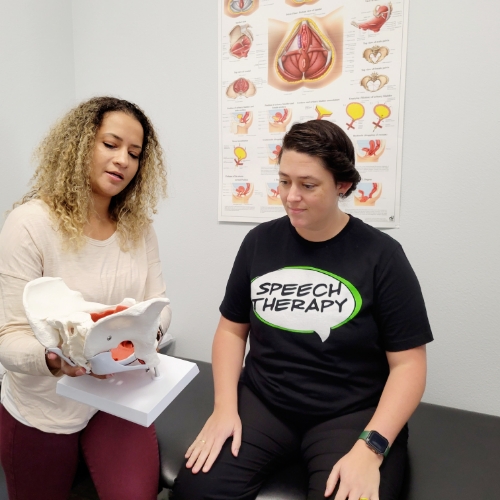
Common Causes of Perineal Pain
Several conditions can cause pain in the perineum, including many that our therapists can address with specialized pelvic floor therapy techniques. Here are some of the most common:
- Pudendal neuralgia: This occurs due to compression of the pudendal nerve, the major nerve that runs through the perineum. In addition to pain, you might also experience numbness or tingling.
- Pelvic floor dysfunction: If your pelvic floor muscles don’t relax and contract properly, it can lead to pain throughout the area, including your perineum.
- Childbirth: A woman’s perineum often tears or requires a surgical incision during childbirth, leading to pain as you recover
- Injuries: It’s not uncommon for injuries, such as falls or sports injuries, to damage the perineum.
How Pelvic Floor Therapy Can Help
The first thing the Integrity Rehab therapists will do is provide you with a space to freely share your symptoms, which allows us to better determine the exact cause of your pain. From there, we’ll develop a customized treatment program that addresses the underlying cause so you can have real, lasting relief.
Depending on the source of your pain, we might suggest the following:
- Exercises to strengthen and stretch your pelvic floor muscles
- Manual therapy techniques such as myofascial release or trigger point therapy, which can help reduce pelvic pain
- Strategies and activity modifications to help you manage pain while you recover
- Pain-relieving modalities, including biofeedback or TENS
Find relief from perineal pain today. Call us to schedule your initial consultation!
Offered at the following location:
Your Next Steps…
Request An Appointment
Receive A Custom Treatment Plan
Work Hard and Progress In Your Recovery
Recover & Enjoy Life Pain-Free!