
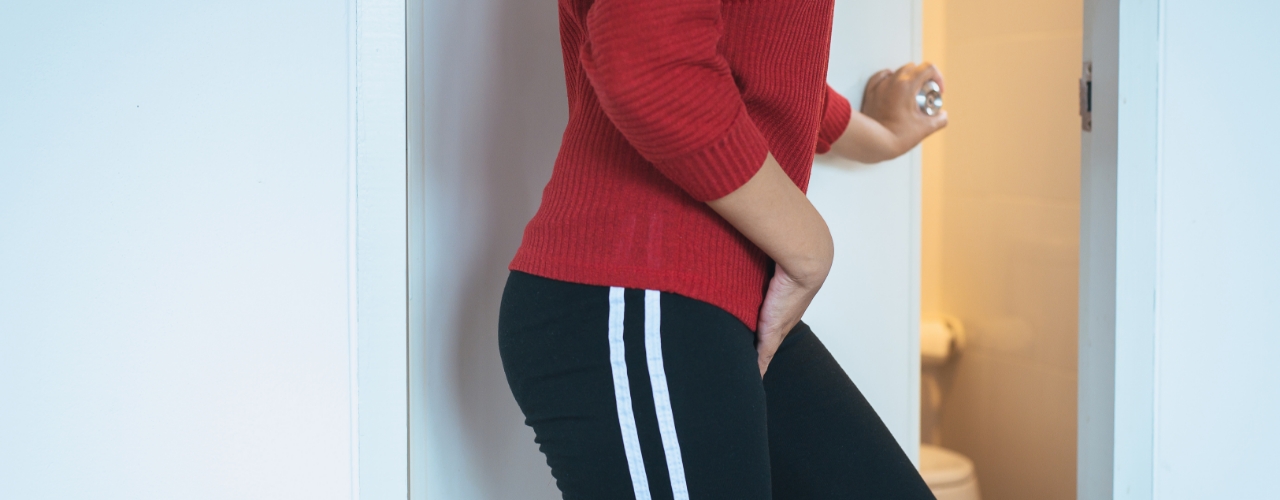
What Is Urinary Incontinence?
Urinary incontinence” is a technical term for leaking urine by accident. It is a common condition in more elderly demographics, especially elderly women, although it can happen to anyone for a number of reasons. Fortunately, urinary incontinence can be controlled and/or cured with the help of pelvic floor therapy. If you have been struggling with urinary incontinence and you are looking for help, contact Integrity Rehab or myPFM today to schedule an appointment with one of our dedicated Burleson, Copperas Cove, Forney, Harker Heights, Central Killeen, West Killeen, Leander, Salado, South Temple and West Temple, TX therapists.
Why Am I Experiencing Urinary Incontinence?
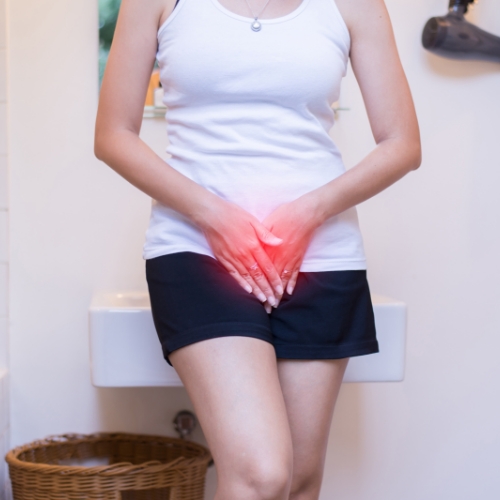
There are several reasons why someone may leak urine despite their control. Some short-term urinary incontinence may develop and disappear on its own due to a temporary condition, such as a urinary tract infection, vaginal infection, or constipation. Certain medications can even cause temporary bladder control problems that should clear up after use. However, if your urinary incontinence persists, it may be due to a larger underlying condition, such as:
- Weak bladder muscles
- Overactive bladder muscles
- Damaged bladder nerves, typically from diseases such as diabetes, multiple sclerosis, or Parkinson’s
- Blockage from an enlarged prostate
- Difficulty getting to the bathroom in time, due to diseases such as arthritis
- Pelvic organ prolapse
- Prostatitis
- Benign prostate hyperplasia
- Damaged pelvic floor nerves, due to injury or surgery
In addition to the different ways in which urinary incontinence can be caused, there are also different types of urinary incontinence that can occur. The different types of urinary incontinence include:
Stress incontinence
Stress incontinence is caused when one experiences a urine leak due to pressure on the bladder. For example, stress incontinence can occur when exercising, lifting heavy objects, laughing, coughing, or sneezing. This is the most common type of bladder control problem in younger to middle-aged women, and it may occur around the time of menopause.
Urge incontinence
Urge incontinence is caused when there is a sudden and emergent need to urinate. Someone experiencing urge incontinence may not have enough time to make it to the toilet before leakage occurs. This type of bladder control problems is usually a result of diabetes, Alzheimer’s disease, Parkinson’s disease, multiple sclerosis, or stroke.
Overflow incontinence
Overflow incontinence is caused by a bladder that is always full, thus causing leakage to occur. For example, if a man has an enlarged prostate that is blocking his urethra, it can be difficult to empty the bladder. Other conditions, such as diabetes and spinal cord injuries, can also cause this type of bladder control problem.
Functional incontinence
Functional incontinence is caused when people have a condition that makes it hard to move to the bathroom quickly enough before leakage occurs. People with functional incontinence actually have normal bladder control; however, they have an alternative condition (such as arthritis) that makes it difficult to move and thus results in leakage if they cannot make it to the toilet in time.
If you are experiencing persistent urinary incontinence that has been occurring for several weeks or months, contact our Burleson, Copperas Cove, Forney, Harker Heights, Central Killeen, West Killeen, Leander, Salado, South Temple or West Temple, TX therapy office as soon as possible to seek help.
Suffering from Fecal Incontinence? You’re Not Alone
Plus, pelvic floor therapy offers several treatment options
Do you struggle with persistent diarrhea, bowel urgency, or even bowel leakage? If so, know that one in eight women also struggle with fecal incontinence. Like urinary incontinence, it’s a relatively common after-affect of pregnancy, and fortunately, treatment options are available! At Integrity Rehab in Burleson, Copperas Cove, Forney, Harker Heights, Central Killeen, West Killeen, Leander, Salado, South Temple and West Temple, TX, we’re here to help.
For most women suffering from fecal incontinence, their condition is caused by obstetric anal sphincter injuries (OASIS), which occur during childbirth. Despite how infrequently fecal incontinence is discussed, it’s becoming common: there is evidence that OASIS injuries are increasing among women who delivered vaginally.
At Integrity Rehab in Burleson, Copperas Cove, Forney, Harker Heights, Central Killeen, West Killeen, Leander, Salado, South Temple and West Temple, TX, we understand that fecal incontinence is a private, embarrassing matter. However, there is no reason for you to suffer needlessly, and we offer a safe space where you can discuss your symptoms and seek treatment. Schedule an appointment with Integrity Rehab today to learn more.
What exactly is fecal incontinence?
There’s no way around it: fecal incontinence deals with poop. However, the actual poop is not the culprit; instead, the condition is caused by a dysfunction of the pelvic floor muscles, particularly the muscles around the bowels and anus.
Fecal incontinence can look different for different women. Fatal incontinence is the inability to control the urge to pass gas. Urge incontinence occurs when you feel the need to pass a stool but simply don’t make it to the bathroom in time. And finally, passive incontinence, the most extreme form, occurs when there is no sensation of needing to void the bowels before the stool passes.
Fecal incontinence also brings a host of co-morbidities, largely due to the shame many people feel around the condition. Women with fecal incontinence report experiencing depression, anxiety, and a decreased quality of life. Furthermore, if OASIS injuries cause the incontinence, many women also experience pelvic pain, sexual dysfunction, and urinary incontinence.
Pelvic floor therapy is here to help
Fecal incontinence is an alarming condition. Fortunately, it’s not one you necessarily have to live with, as pelvic floor therapy offers several potential treatment options that can alleviate symptoms and improve your overall bowel health.
Depending on the exact cause of your condition, the physical or occupational therapists at Integrity Rehab might suggest one or more of the following treatments:
- Strengthening exercises: We’ll help you strengthen the pelvic floor muscles that control your bowel movements, including showing you exactly what exercises to do and developing a strength-training program for your bowels!
- Biofeedback: This technology can help you get the most out of your strengthening exercises by ensuring the correct muscles get their workout! It can also help us track your progress and see how much stronger those muscles are becoming.
- Bowel training: We’ll work with you to develop a program for training your bowels to wait a little longer before you void them. Over time, bowel training can help ensure you don’t ever have an accident if you can’t quickly get to a restroom.
- Electrical stimulation: This tool sends a mild, painless electrical shock to your pelvic floor muscles, helping them to contract and strengthen.
- Education: Finally, we’ll arm you with all the lifestyle information you need to help improve your condition, including dietary and exercise advice.
We know that taking the first step toward treatment for fecal incontinence can be difficult. That’s why Integrity Rehab in Burleson, Copperas Cove, Forney, Harker Heights, Central Killeen, West Killeen, Leander, Salado, South Temple and West Temple, TX strives itself on creating a welcoming, discreet environment where you can freely discuss your condition–including the progress you’ll make on relieving your symptoms.
Contact Us Today!
If you, or someone you are caring for, are struggling with urinary incontinence and you are looking for help, contact us at Integrity Rehab today to schedule an appointment. One of our Burleson, Copperas Cove, Forney, Harker Heights, Central Killeen, West Killeen, Leander, Salado, South Temple or West Temple, TX therapists will get you started on the path toward urinary control and relief.
Offered at the following locations:
Your Next Steps…
Request An Appointment
Receive A Custom Treatment Plan
Work Hard and Progress In Your Recovery
Recover & Enjoy Life Pain-Free!