
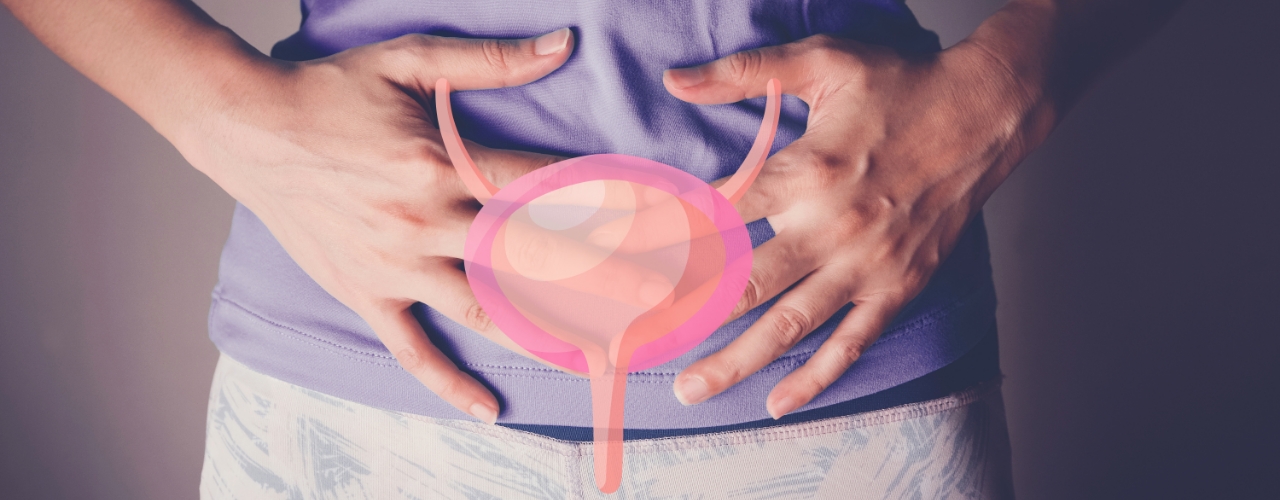
Is Interstitial Cystitis Resulting in Pelvic or Bladder Pain? Pelvic Floor Therapy Can Help!
If you have been experiencing pain during urination or while menstruating, a constant need to go to the bathroom, or a burning sensation when you pee, you could have a condition known as interstitial cystitis. Interstitial cystitis can occur for a few reasons, affecting the bladder.
You might be hesitant to discuss your conditions with trained professionals because of their nature; however, you can recover and lead a more healthy and active life with proper understanding and treatment.
Many people suffer from this condition and never seek help because they are scared or embarrassed. Integrity Rehab in Burleson, Copperas Cove, Forney, Harker Heights, Central Killeen, West Killeen, Leander, Salado, South Temple and West Temple, TX employs the most skilled and knowledgeable pelvic floor therapists and knows the best ways to help pinpoint the source of your pain and ease your discomfort.

What is interstitial cystitis?
Your pelvic floor muscles should be able to contract and relax without issue. This allows for proper bowel and bladder function. Your pelvic floor’s job is to hold up your organs and send the right signals to your brain. With interstitial cystitis, this doesn’t happen.
Mayo Clinic defines interstitial cystitis as “a chronic condition causing bladder pressure, bladder pain and sometimes pelvic pain. The pain ranges from mild discomfort to severe pain. The condition is a part of a spectrum of diseases known as painful bladder syndrome.”
This chronic bladder condition causes pain, pressure, and urinary urge frequency. The symptoms are similar to those of other urinary tract infections or bladder infections.
Risk factors for developing interstital cystitis
Some individuals are more at risk than others for developing this condition. The following factors are linked to an increased risk of interstitial cystitis:
- Gender. Women are more likely than men to be diagnosed with interstitial cystitis. Men’s symptoms may resemble interstitial cystitis, but they’re more typically linked to prostate gland inflammation (prostatitis).
- Age. Interstitial cystitis is most commonly diagnosed in persons in their 30s or older.
- Existing chronic pain disorders. Irritable bowel syndrome and fibromyalgia are two chronic pain disorders that may be linked to interstitial cystitis.
Symptoms of interstitial cystitis
Some common signs and symptoms affect people with this condition, including:
- urinary urgency (the feeling of needing to urinate urgently)
- urinary frequency (having to urinate more often)
- pain with sexual intercourse
Because of these symptoms, individuals with this condition are often told that they have a urinary tract infection (UTI); however, a urine culture will return as negative.
Often, individuals with this condition will develop complications, such as depression, which lead to overall lower quality of life.
Individuals with interstitial cystitis might experience other conditions including irritable bowel syndrome (IBS) and fibromyalgia, further worsening their quality of life.
The good news is that if you believe you’re living with interstitial cystitis, Integrity Rehab in Burleson, Copperas Cove, Forney, Harker Heights, Central Killeen, West Killeen, Leander, Salado, South Temple and West Temple, TX, may be able to help you feel better once and for all.
How can a pelvic floor specialist treat interstitial cystitis?
Sadly, this condition does not have a cure, but the good news is that pelvic floor therapy can help!
Pelvic floor physical therapists and occupational therapists are able to treat several conditions, including interstitial cystitis. A pelvic floor is a group of muscles that support the bladder, uterus, and rectum. Pelvic floor therapy in Burleson, Copperas Cove, Forney, Harker Heights, Central Killeen, West Killeen, Leander, Salado, South Temple and West Temple, TX, TX can help to reduce pain and other symptoms.
Pelvic floor therapy can help to relieve trigger points in the pelvic muscles that cause pain to spread throughout the pelvic area. To restore normal blood flow and function, inflammation in the pelvis and around the bladder is cleared out. The muscles are able to return to their natural length and function appropriately after the stress is relieved.
Pelvic floor therapy can be done in many different ways. The therapist may use their hands or devices to apply pressure on the pelvic floor muscles. They may also teach you exercises to do at home.
These corrective exercises are performed with the goal in mind of strengthening the muscles that are located in and around the bladder.
With extra muscle strength, this area of the body will be able to support the bladder to a greater degree, relieving stress in this area. This can lead to pain reduction and overall improved quality of life. For this reason, it is critical to work with a trained therapist!
Request an appointment in Burleson, Copperas Cove, Forney, Harker Heights, Central Killeen, West Killeen, Leander, Salado, South Temple or West Temple, TX today
Are you dealing with urinary urgency or frequency? Is sexual intercourse painful and uncomfortable for you? The best way to determine the true problem is to visit a pelvic floor specialist at Integrity Rehab.
Our overall goal is to help return you to a healthy and active lifestyle that doesn’t involve running for the bathroom every hour or living with chronic pain and discomfort. To learn more about pelvic floor therapy benefits, contact our Burleson, Copperas Cove, Forney, Harker Heights, Central Killeen, West Killeen, Leander, Salado, South Temple or West Temple, TX clinic today and request an appointment!
Offered at the following locations:
Your Next Steps…
Request An Appointment
Receive A Custom Treatment Plan
Work Hard and Progress In Your Recovery
Recover & Enjoy Life Pain-Free!